Quick answer
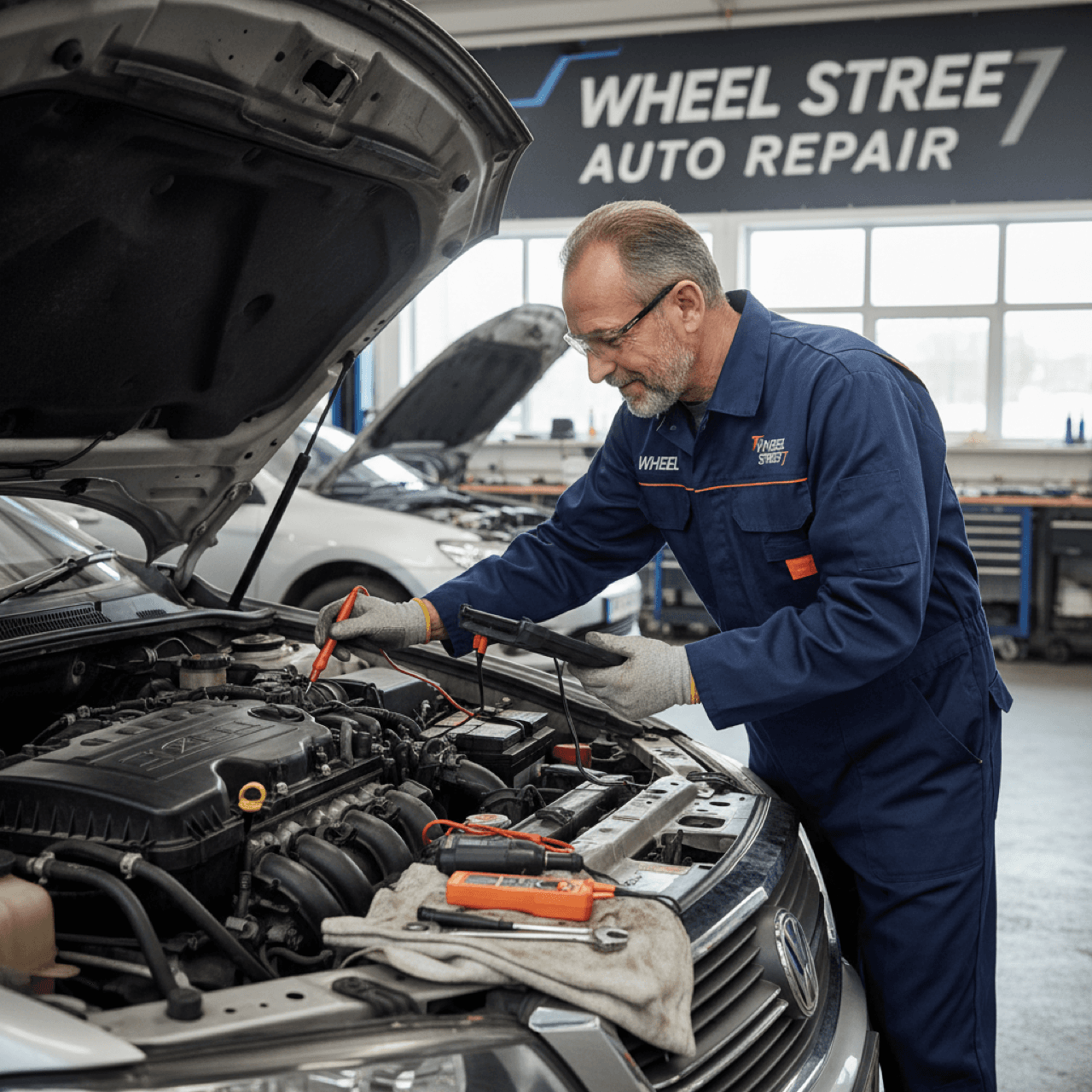
Vehicle inspection (TA) in Lithuania costs €20-35 and is required every 1-2 years depending on the car's age. The most common failure reasons are worn brake pads, faulty lights, and excessive emissions — a pre-inspection check at a service center (€30-50) saves you from the hassle of failing and rebooking.
Vehicle inspection (TA) is a mandatory procedure for every car on the road. From 2026, new EU requirements come into effect that will change the rules for selling cars. In this article — everything you need to know about vehicle inspection in 2026: prices, frequency, common mistakes, and how to prepare.
Inspection Frequency: When Is It Required?
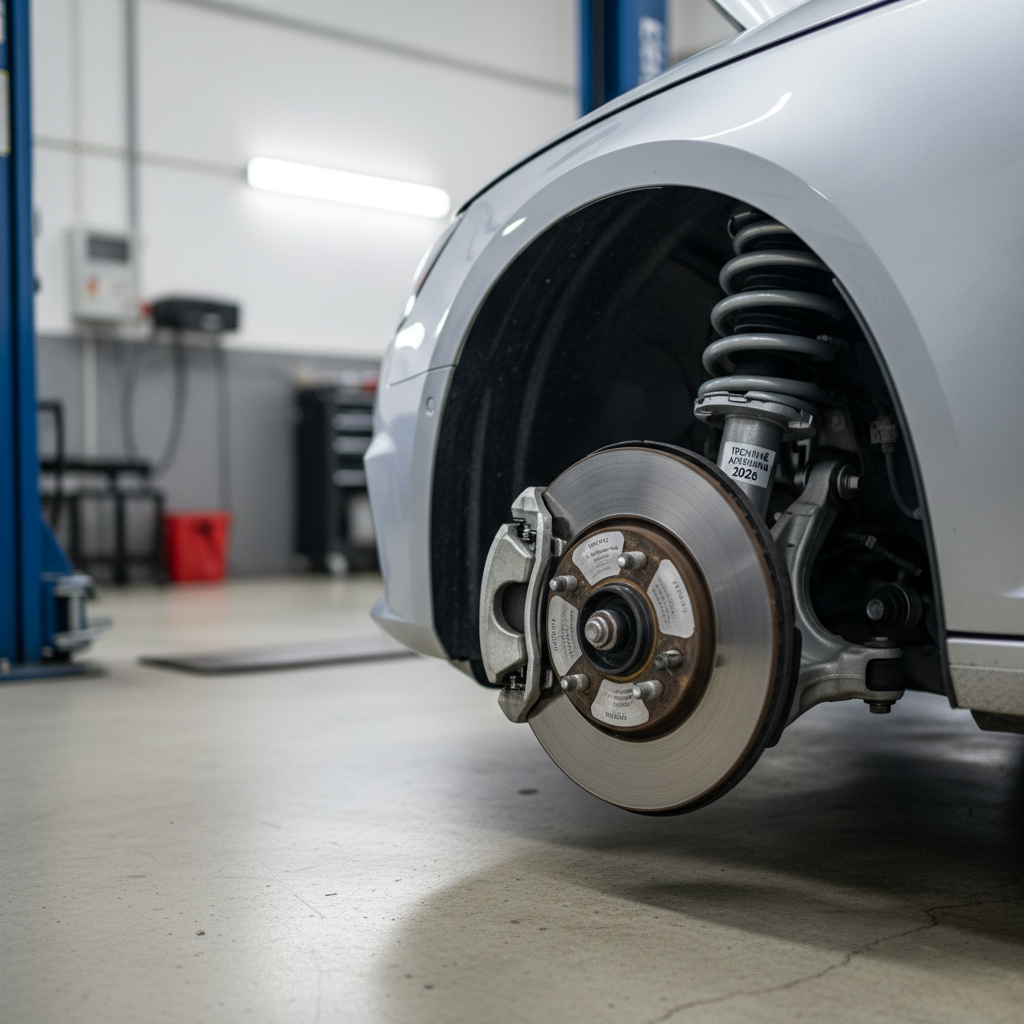 Illustration: Inspection Frequency: When Is It Required?
Passenger Cars (M1 Class)
| Vehicle Age | Inspection Frequency |
|---|---|
| New car | First inspection after 3 years |
| 3--7 years old | Every 2 years |
| Over 7 years old | Annually |
Other Vehicles
- Motorcycles (L3, L4): same as passenger cars
- Trucks, buses: annually
- Taxis, driving school vehicles: every 6 months
- Trailers (O1, O2): depending on weight and type
Important Rule: 30 Days
You can complete the vehicle inspection no earlier than 30 calendar days before the current inspection expires, without losing a single day of validity.
Attention: Exactly 30 days, not one month! If a month has 31 days and you arrive 31 days before expiry, you will lose a month because the new inspection will be valid from the date of the check, not from the previous expiry date.
Inspection Prices in 2026
Maximum prices are set by LTSA (Lithuanian Transport Safety Administration) order. Different companies may charge less, but not more.
Passenger Cars (M1)
| Procedure | Maximum Price |
|---|---|
| Initial inspection | EUR 25--35 |
| Re-inspection (visual, no equipment) | ~EUR 4--5 |
| Re-inspection (1 piece of equipment) | ~EUR 7--9 |
| Re-inspection (2+ pieces of equipment) | ~EUR 12--18 |
| LPG/CNG installation check | +EUR 15--20 |
| Smoke opacity test (diesel) | included |
Discounts
A 50% discount applies to:
- Persons with 0--40% work capacity level
- Persons of retirement age with established special needs
- Vehicles specially adapted for disabled persons
Exceptions: the discount does not apply to taxis and vehicles used for passenger transport.
What Is Checked During Vehicle Inspection?
1. Braking System
- Brake efficiency (measured on a test bench)
- Brake system integrity
- Handbrake/parking brake operation
- ABS system operation
2. Steering System
- Steering wheel free play
- Steering mechanism condition
- Wheel bearings
- Suspension components
3. Lighting
- All lights working
- Headlight alignment (mandatory check)
- Reflectors
- Turn signals
4. Wheels and Tyres
- Tyre tread depth (min. 1.6 mm)
- Tyre condition (no cracks, bulges)
- Rim condition
- All wheels must be of the same type
5. Engine and Exhaust Emissions
- Visual engine bay inspection
- Exhaust gas toxicity (petrol) or smoke opacity (diesel)
- OBD system check (2006+ vehicles)
6. Body
- Signs of corrosion on structural elements
- Door and panel operation
- Windscreen condition (no cracks in the driver's field of vision)
- Wiper operation
7. Safety Systems
- Seatbelt condition and operation
- Airbag indicator (must not be illuminated)
- Head restraints
- Passenger cabin condition
8. Other Elements
- Horn
- Mirrors
- VIN number visibility
- License plate condition
Most Common Reasons for Failing Inspection
According to Transeksta data, the most common issues are:
1. Lighting Problems (30%+ of cases)
- Burnt-out bulbs
- Incorrectly adjusted headlights
- Non-functioning lights
Solution: Before the inspection, check all bulbs and adjust headlight height (most workshops do this for EUR 10--20).
2. Brake Problems (20%+ of cases)
- Insufficient braking efficiency
- Uneven braking between left and right sides
- Non-functioning handbrake
Solution: If you notice brake problems — get them checked in advance. Brake pad replacement is not expensive, but it can save lives.
3. Tyre Problems (15%+ of cases)
- Insufficient tread depth
- Different tyres on the same axle
- Damaged tyres
Solution: Check the tread (min. 1.6 mm, recommended 3+ mm). Tyres on the same axle must be identical.
4. Exhaust Emission Problems
- Excessive CO or smoke opacity
- Non-functioning OBD system
- "Check engine" light on
Solution: If the "check engine" light is on — make sure to run diagnostics before the inspection. Sometimes clearing fault codes is enough, but repairs may also be needed.
5. Windscreen Problems
- Cracks in the driver's field of vision
- Scratched windscreen
- Improper window tinting
Solution: Small cracks can be repaired (EUR 20--50); larger ones require windscreen replacement.
Get a Personal Offer
We'll call you back within 24 hours.
How to Prepare for Vehicle Inspection
One Week Before:
-
Check all lighting
- All bulbs must work
- Turn signals, brake lights, reverse lights
- License plate illumination
-
Check fluid levels
- Engine oil
- Brake fluid
- Windscreen washer fluid
- Coolant
-
Check tyres
- Tread depth (min. 1.6 mm)
- Any damage
- Pressure
-
Check brakes
- Do they stop evenly
- Any squealing
- Handbrake
The Day Before / Same Day:
- Wash the car — a clean car is easier to inspect
- Check wipers and washer system
- Make sure all documents are in order
- Remove unnecessary items from the trunk
Required Documents:
- Identity document
- Vehicle registration certificate
- Insurance policy (MTPL)
- Previous inspection sheet (if you have one)
Defect Categories
Defects found during inspection are divided into three categories:
Minor Defects
- Do not affect safety
- You pass the inspection, but it is recommended to fix them
- E.g.: minor corrosion, insignificant damage
Major Defects
- May affect safety
- You pass the inspection, but must fix them within a set timeframe
- E.g.: insufficient braking efficiency (but still within limits), lighting problems
Dangerous Defects
- Directly endanger road safety
- You fail the inspection, the vehicle cannot be on the road
- Inspection validity is terminated immediately
- E.g.: non-functioning brakes, severely damaged suspension
What to Do If You Fail Inspection?
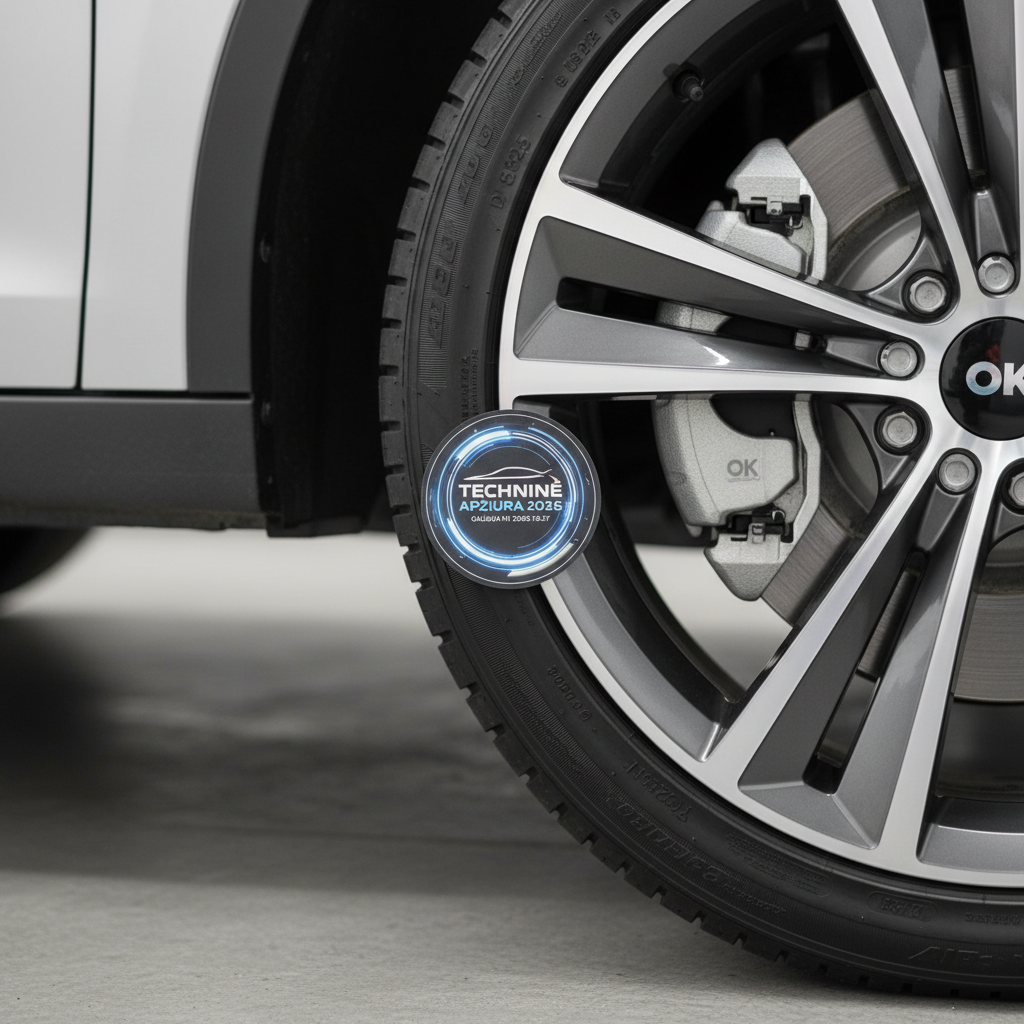 Illustration: What to Do If You Fail Inspection?
1. Don't Panic
If major (not dangerous) defects are found and your previous inspection is still valid — you can continue driving and have time to fix them.
2. Fix the Defects
Go to a workshop and repair the identified issues.
3. Return for a Re-Inspection
- Re-inspection costs less than the initial one
- Only the previously failed items are checked
- You can usually return to the same station
4. If Dangerous Defects Are Found
- The vehicle cannot be on the road
- You must transport it to a workshop by tow truck or repair it on-site
- After repairs — a new initial inspection
2026 Changes: What You Need to Know
New EU Requirements for Vehicle Sales
From 2026, under the new EU regulation, selling a car will require:
- A valid inspection certificate, OR
- An independent expert's report on the vehicle's technical condition
This means:
- Cars without an inspection can no longer be sold (without an additional document)
- New services will emerge — "vehicle technical condition assessment"
- Demand for used cars with a valid inspection may increase
Market Impact
For buyers: more safety, fewer "pigs in a poke" For sellers: additional costs if the inspection has expired For dealers: will need to invest in inspections or expert assessments
Where to Get a Vehicle Inspection?
Major Inspection Companies in Lithuania:
- Transeksta — the largest network (transeksta.lt)
- TUV NORD — international experience
- Kauno TAC — Kaunas region
- Skirlita — various locations
How to Choose?
- Location — more convenient if closer to home/work
- Price — compare (can differ by up to 10--15%)
- Working hours — some are open on Saturdays
- Advance booking — saves waiting time
Tip: Book in advance online — you will avoid queues.
Frequently Asked Questions
Can I drive with an expired inspection?
No. This is an administrative offence. Fines:
- EUR 30--40 for the driver
- Police can remove the license plates
- If another person is driving — EUR 60--120
Can I sell a car without an inspection?
In 2025 — yes, but the buyer must know and accept responsibility. From 2026 — a valid inspection or expert report will be mandatory.
How many times can I retake the inspection?
As many as needed. Re-inspection costs less.
Do they check the vehicle interior?
Yes — seatbelts, head restraints, airbag indicator.
Do I need to empty the trunk?
Not required, but recommended — it is easier to inspect and gives a more professional impression.
Practical Tips
-
Don't leave it to the last day — if something fails, you will have time to repair
-
Check things yourself beforehand — you can spot most problems on your own
-
If in doubt — come for a check earlier — many stations offer a "pre-inspection check"
-
Keep your documents — service invoices and inspection sheets can be useful when selling
-
Maintain your car regularly — then the inspection will not be stressful
Conclusions
 Our expert recommendation
Vehicle inspection is not a bureaucratic hurdle but a safety guarantee. A well-maintained car passes the inspection without problems. And from 2026, the inspection will become even more important when selling a car.
Key tips:
- Don't be late — get your inspection done on time
- Prepare in advance — check lights, brakes, tyres
- If you fail — don't worry, fix the defects and come back
- Keep your documents — they will be useful when selling
Getting ready for a vehicle inspection and want to be sure you will pass? WheelStreet offers a pre-inspection car check — we will identify problems in advance and advise on what to fix. This will save you time and money.
You may also find useful:
- 🔧 How to Check a Used Car in 15 Minutes — a checklist before inspection
- 🚗 Used Cars in WHEELSTREET Listings — inspected, prepared for vehicle inspection
- 🔍 WheelStreet Car Sourcing — experts will find a car that passes inspection
- 📋 Car Registration in Lithuania — everything about registration and inspection
- 📚 Vehicle Inspection — Glossary
- 📚 DPF Filter — Glossary
WHEELSTREET ☎ +370 660 09716 | wheelstreet.lt