
Quick answer
According to WHEELSTREET data, importing a car from Germany saves 10-25% on the purchase price for vehicles in the €10,000-30,000 range, but total import costs (transport, registration, pollution tax) add €1,500-4,000. The break-even point is around €12,000 — below that, buying locally in Lithuania is usually cheaper and less risky.
Germany is the largest used car market in Europe. Many Lithuanians wonder: is it worth buying there and bringing it back, or is it better to search in Lithuania? In this article – real calculations, risks and advice.
What you'll find in this article
 Illustration: What you'll find in this article
- Price comparison (Germany vs Lithuania)
- All import costs
- Advantages and risks
- Step-by-step process
- When it's worth it, when it's not
Price comparison
 Visual model comparison

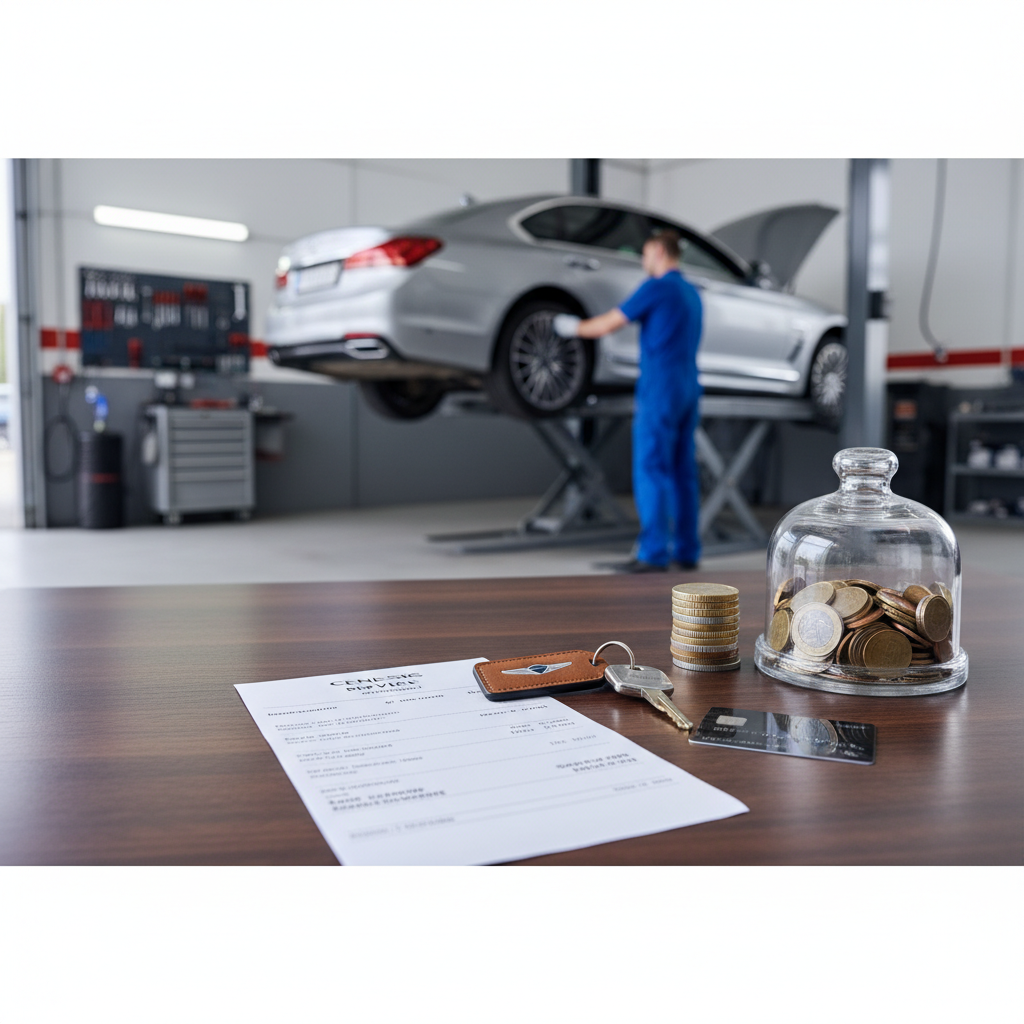
Typical price differences
| Car | Germany | Lithuania | Difference |
|---|---|---|---|
| VW Golf VII (2015, 100k km) | 11 000 € | 12 500 € | ~1 500 € |
| BMW 320d (2017, 80k km) | 18 000 € | 21 000 € | ~3 000 € |
| Mercedes C220d (2018, 60k km) | 24 000 € | 28 000 € | ~4 000 € |
| Toyota RAV4 (2019, 50k km) | 26 000 € | 28 000 € | ~2 000 € |
| Audi A4 (2016, 90k km) | 16 000 € | 19 000 € | ~3 000 € |
Overall: 10-20% cheaper in Germany, especially for premium brands.
Why is Germany cheaper?
- Larger supply – more cars = more competitive prices
- Leasing returns – many cars come back from company fleets
- Strict vehicle inspection (TÜV) – encourages selling older vehicles
- Culture – Germans replace cars more frequently
- Tax system – lower VAT for resellers
All import costs
Direct costs
| Expense | Amount |
|---|---|
| Trip to Germany (flight) | 50 - 150 € |
| Or: transport service | 500 - 1 000 € |
| Transit license plates | 100 - 200 € |
| Fuel to return (~1 000 km) | 80 - 120 € |
| Travel insurance | 30 - 50 € |
| Hotel (if overnight stay) | 60 - 100 € |
| Total trip: | 350 - 600 € |
Registration costs in Lithuania
| Expense | Amount |
|---|---|
| Vehicle technical inspection | 35 - 50 € |
| Registration with authorities | 14 - 28 € |
| License plates | 10 - 30 € |
| Third-party liability insurance | 150 - 400 € |
| Total registration: | 210 - 510 € |
Taxes
If you buy from a private person:
- VAT: 0 € (already paid)
- Customs: 0 € (within EU)
If you buy from a company (with VAT):
- You pay the price without VAT in Germany
- You pay 21% VAT in Lithuania (if you are a VAT payer – you deduct it)
Total import costs
Cheapest scenario: ~550 €
- Budget flights, no hotel, do everything yourself
Typical scenario: ~800 - 1 200 €
- Normal travel costs + registration
If you use an intermediary: ~1 500 - 2 500 €
- Everything done for you
Where to search in Germany?
Popular portals
mobile.de – largest market
- Most listings
- Good filters
- English available
autoscout24.de – second largest
- International
- Easy to use
Specific dealers:
- Large dealerships have better guarantees
- Less risk than private sellers
What to check in listings
- Km should be "nachweisbar" (verifiable) – means service records exist
- Unfallschaden – has it been in an accident
- Anzahl der Vorbesitzer – number of previous owners
- HU/AU gültig bis – vehicle inspection validity (TÜV date)
Get a Personal Offer
We'll call you back within 24 hours.
Advantages and risks
Advantages
Lower price:
- 10-20% cheaper (sometimes more)
- Premium cars – biggest difference
Better condition:
- German roads are better
- Less road salt in winter
- Strict vehicle inspection
Wider selection:
- More cars to choose from
- Rare models/configurations
Clearer history:
- German service records are reliable
- TÜV reports are accurate
Risks
Hidden defects:
- You don't see the car before buying (if shipped)
- May be discrepancies between photos and reality
Mileage fraud:
- Exists in Germany too
- Always check VIN report
Language barrier:
- Contracts in German
- Risk of misunderstandings
Legal issues:
- Warranty may be difficult to claim from Lithuania
- Disputes only in German courts
Time investment:
- Trip takes 2-3 days
- Registration takes several more days
Step-by-step process
 Illustration: Step-by-step process
1. Search and selection
- Use mobile.de filters
- Select 5-10 options
- Check VIN reports (carVertical, AutoDNA)
- Contact sellers (usually speak English)
2. Inspection and purchase
If you go yourself:
- Schedule inspection time
- Bring cash or prepare bank transfer
- Check all documents (Fahrzeugbrief, Fahrzeugschein)
If through an intermediary:
- They inspect and buy for you
- Safer, but more expensive
3. Documents
You should receive from the seller:
- Fahrzeugbrief (registration certificate, part II)
- Fahrzeugschein (registration certificate, part I)
- Kaufvertrag (purchase contract)
- TÜV report (if valid)
4. Transit license plates
- Order from insurance company (e.g., Zoll-Export)
- Valid for 5-14 days
- Cost ~100-200 €
5. Journey home
- Plan your route
- Keep all documents easily accessible
- Drive carefully – unfamiliar car
6. Registration in Lithuania
- Vehicle technical inspection (within 30 days)
- Registration with authorities
- Insurance
- License plates
When IS IT WORTH importing?
Worth it, if:
- Premium car (BMW, Mercedes, Audi) – biggest savings
- Specific model/configuration not found in Lithuania
- You have time and willingness
- You can go and inspect yourself
- Car price is more than 15 000 € (relatively larger savings)
Potential savings: 2 000 - 5 000 € (premium cars)
When IS IT NOT WORTH importing?
Not worth it, if:
- Economy class (Polo, Yaris) – minimal difference
- You don't have time or willingness to travel
- You don't speak English/German
- You fear the risk
- Car is less than 10 000 € – savings won't cover costs
Example: VW Polo, 8 000 € in Germany, 9 000 € in Lithuania.
- Difference: 1 000 €
- Import costs: ~800-1 000 €
- Real savings: 0-200 € (not worth the effort)
Alternative: car from EU with warranty
Some dealerships in Lithuania import cars from Germany and sell with warranty:
Advantages:
- No need to travel yourself
- Warranty in Lithuania
- Car already inspected
Disadvantage:
- Price is higher than importing yourself
Frequently asked questions
How much can I save by importing from Germany?
Realistically 1 500 - 4 000 € for premium cars (BMW, Mercedes, Audi). For economy class cars the difference is often minimal or non-existent.
Is it safe to buy a car in Germany?
Yes, if you buy from reliable sources and conduct checks (VIN report, inspection). Risk is similar to buying in Lithuania – you need to be careful.
Do I need to pay VAT when importing?
If you buy from a private person – no (VAT already paid). If you buy from a company – depends on the situation and your VAT payer status.
How long does the entire process take?
From finding a car to registering it in Lithuania – 1-3 weeks, depending on your speed and technical inspection queues.
Conclusions
Importing from Germany can save money, but not always:
Worth it: Premium cars, rare models, when price difference is more than 3 000 €
Not worth it: Economy class, when difference is less than 1 500 €, when you don't have time
Main rules:
- Always calculate ALL costs
- Check VIN report BEFORE traveling
- Better to go and inspect yourself
- First time? Consider using an intermediary
Want to import a car but don't want to risk it? Contact WheelStreet – we'll help you find and safely bring it back.
Also useful:
- 🇩🇪 Buying a car from Germany: complete guide – step by step
- 🔍 WheelStreet car sourcing – experts will find and deliver from abroad
- 📋 Car registration in Lithuania – what to do after import
- 💰 Financing an imported car – leasing and loans
- 📚 Car import — glossary
- 📚 Emission tax — glossary
Buy from Lithuania
Looking to buy a quality used car from Lithuania? WHEELSTREET offers professional car sourcing with full inspection, history check and cross-border delivery across Europe. Browse verified inventory at WHEELSTREET Used Cars or request a custom car search at Car Sourcing Service.
WHEELSTREET ☎ +370 610 33377 | wheelstreet.lt


![Best used car under 10,000 € [2026 buying guide]](/_next/image?url=https%3A%2F%2Fucrqnojyxtkhjuyncicg.supabase.co%2Fstorage%2Fv1%2Fobject%2Fpublic%2Farticle-images%2Fgeriausias-automobilis-iki-10000%2Fhero.png&w=2048&q=75)