Quick answer
KASKO insurance in Lithuania costs €400-600/year for economy cars (€10,000-20,000 value), €600-1,200 for mid-range, and €1,200-7,000 for premium vehicles. You can often save substantially by comparing quotes online, choosing a higher deductible (€300-500), and installing a GPS tracker — KASKO is mandatory for leased vehicles but optional otherwise.
CASCO insurance is one of the most important decisions for a car owner. It protects you from financial losses due to accidents, theft or natural disasters. But is it always worth insuring? How much does it cost? And how do you choose the right option? In this article – everything you need to know about CASCO in 2026.
What is CASCO and how does it differ from compulsory insurance?
 Main advantages and disadvantages
Many people confuse CASCO with compulsory insurance (third-party liability), but these are completely different things.
Compulsory insurance (Third-party liability):
- Mandatory for all drivers
- Compensates for damage to OTHER road users' property and health
- Does NOT cover YOUR car repairs
CASCO insurance:
- Voluntary (except in leasing cases)
- Compensates for damage to YOUR car
- Applies even if you caused the accident
- Covers theft, natural disasters, vandalism
Simply put: compulsory insurance protects others from you, while CASCO protects you from everything.
CASCO insurance prices in 2026
CASCO pricing is highly individual and depends on many factors. Here are indicative prices by segments:
Economy class vehicles
- Vehicle value: 10,000-20,000 EUR
- Annual CASCO price: 400-600 EUR
- Examples: Dacia Spring, VW Polo, Toyota Yaris
Mid-range vehicles
- Vehicle value: 20,000-40,000 EUR
- Annual CASCO price: 600-1,200 EUR
- Examples: VW Tiguan, Toyota Corolla, Škoda Octavia
Premium class vehicles
- Vehicle value: 40,000-80,000 EUR
- Annual CASCO price: 1,200-3,000 EUR
- Examples: BMW 3 Series, Mercedes C-Class, Audi A4
Luxury and sports vehicles
- Vehicle value: over 80,000 EUR
- Annual CASCO price: 3,000-7,000+ EUR
- Examples: Mercedes AMG G-63, Porsche, Tesla Model S
Electric vehicles
Electric vehicle CASCO is typically 10-20% more expensive than an equivalent value petrol car due to higher repair and parts costs.
What determines CASCO price?
1. Vehicle value
The more expensive the car, the more expensive the CASCO. Usually the annual premium is 2-5% of the vehicle's value.
2. Vehicle age
Newer cars are insured at higher rates because repairs cost more. However, very old cars (over 15 years) may not be insurable or only insurable against theft.
3. Driver age and experience
Young drivers (under 25) and those with limited experience pay 20-50% more. The optimal age for insurance purposes is 30-55 years with 10+ years of experience.
4. Driving history
Each insurance claim in the last 3-5 years increases your CASCO price. Conversely, a long period without claims gives you discounts.
5. Place of residence
In Vilnius, Kaunas and other major cities, CASCO is more expensive than in provincial areas due to higher theft and accident risk.
6. Car brand and model
Some models statistically have more accidents or are stolen more often. For example, certain premium brands (BMW, Audi, Mercedes) often cost more.
7. Security level
Certain brands and models require a higher security level – additional alarm, tracking system, etc. This increases costs.
CASCO insurance options
Insurance companies offer different CASCO packages:
Full CASCO (Comprehensive)
- All-risk insurance
- Theft, accidents, natural disasters, vandalism
- Roadside assistance
- Replacement vehicle
- Glass coverage
- Price: highest
Basic CASCO
- Main risks (accidents, theft)
- Roadside assistance (limited)
- Price: mid-range
Alternative (partial) CASCO
- Only theft and total loss
- Or only certain risks
- Price: lowest
Specialized options
- CASCO for electric vehicles (with battery protection)
- CASCO for older vehicles
- Mini CASCO (glass and headlights only)
The importance of deductibles (franchise)
Deductible is the amount you pay yourself when an insurable event occurs. For example:
- Damage amount: 2,000 EUR
- Deductible: 300 EUR
- Insurance payout: 1,700 EUR
Typical deductibles:
- Lower (150-300 EUR): higher annual premium, but you pay less in case of incident
- Higher (500-1,000 EUR): lower annual premium, but you pay more in case of incident
When is a higher deductible worth choosing?
- If you have a good driving record
- If the car is not very expensive
- If you want to save on the annual premium
When is a lower deductible worth choosing?
- If you frequently drive in the city (higher risk of minor incidents)
- If the car is new and expensive
- If you want to avoid unexpected costs
What does CASCO cover?
Typically covered risks:
- Traffic accidents (whether your fault or someone else's)
- Theft (of the vehicle or its parts)
- Vandalism
- Natural disasters (storms, hail, floods, lightning)
- Fire
- Collision with animals
- Falling trees or other objects
Additional coverage (depends on package):
- Replacement vehicle (from 12 hours to entire repair period)
- 24/7 roadside assistance
- Glass repair without deductible
- Tyre damage insurance
- Personal belongings in car insurance
- Lost keys compensation
- Passenger insurance
What CASCO does NOT cover:
- Mechanical failures (engine, gearbox, etc.)
- Normal wear and tear
- Damage caused intentionally
- Incidents where the driver was intoxicated
- Incidents where the vehicle was used improperly
- Damage at the service station or car wash (though you may have the right to claim damages)
Get a Personal Offer
We'll call you back within 24 hours.
How to save on CASCO
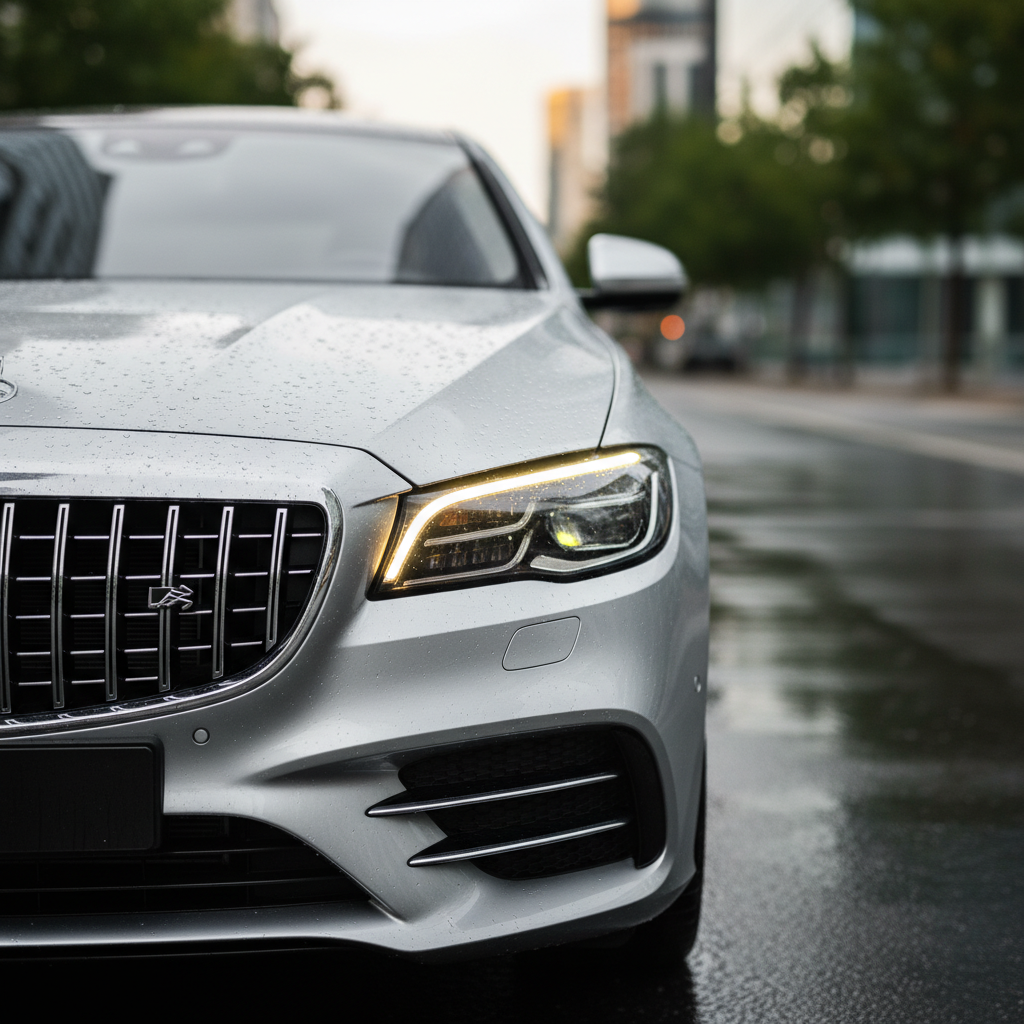 Illustration: How to save on CASCO?
1. Compare at least 3-5 quotes
Different companies may offer prices that differ by as much as 30-40%. Use comparison websites:
- draudimas.lt
- edrauda.lt
- manodraudimas.lt
2. Choose a higher deductible
By increasing your deductible from 200 to 500 EUR, you can save 10-20% on the annual premium.
3. Pay upfront
Most companies offer discounts if you pay the annual premium in one lump sum rather than in instalments.
4. Declare all drivers
If multiple experienced drivers use the vehicle, this can reduce the price. But be honest – if an undeclared driver causes an accident, you may not receive compensation.
5. Install additional security
Alarms, tracking systems or other security devices can reduce CASCO price by 5-15%.
6. Don't be afraid to negotiate
Insurance prices are not fixed. If you have another quote – show it and ask for better terms.
7. Choose recommended service centres
Some companies offer lower deductibles or better terms if you agree to have repairs done at their partner service centres.
CASCO for leased vehicles
If you buy a car through leasing, CASCO insurance is mandatory. This is one of the largest additional costs that many buyers forget to factor in.
Important to know:
- The leasing company usually requires full CASCO
- The leasing company is the beneficiary
- Insurance sum must match the vehicle's value
- You may be required to insure with specific companies
Tip: Before signing the leasing contract, calculate how much CASCO will cost over the entire leasing period. For expensive cars, this could amount to 15,000-20,000 EUR over 5 years!
What to do if an insurable event occurs?
1. Ensure safety
Turn on hazard lights, put on a safety vest and place a warning triangle.
2. Call for help if needed
- Emergency services: 112
- Police: 112 (necessary if there are injured parties or you disagree about the circumstances)
3. Document the event
- Photograph the damage and the accident location
- Write down witnesses' contact details
- Record the other vehicle's registration number (if another driver involved)
4. Complete a declaration
If there are no injuries and you agree on the circumstances, you can complete an electronic declaration at www.draudimoivykiai.lt or a paper one.
5. Report to your insurer
As soon as possible – ideally within 24-48 hours. Most companies have mobile apps where you can report directly.
6. Submit your vehicle
Take your car to the insurer's designated service centre or ask for permission to repair elsewhere.
Is CASCO worth buying?
When CASCO is definitely worth it:
- Car is new or valuable (over 15,000 EUR)
- You're buying through leasing (mandatory)
- You don't have financial reserves for unexpected repairs
- You frequently drive in difficult conditions
- Car is parked in an unprotected location
When you can skip CASCO:
- Car is old and cheap (under 5,000 EUR)
- You have savings for repairs
- You have a second vehicle
- You rarely drive
Middle ground option:
If full CASCO is too expensive, consider partial CASCO – insurance against theft and total loss only. This costs 30-50% less but protects against the biggest losses.
Insurance companies in Lithuania
Major companies:
- Lithuanian Insurance – largest market share, extensive network
- If Insurance – Scandinavian quality, good discounts
- Compensa – flexible packages, alternative CASCO
- ERGO – international experience
- BTA – competitive prices
Aggregators (compare multiple companies):
- draudimas.lt (Aon Baltic)
- edrauda.lt
- manodraudimas.lt
Most common CASCO mistakes
1. Not including all drivers
If multiple people use the car, all must be included in the policy. Otherwise, in case of incident, you may not receive compensation.
2. Insufficient insurance sum
If the insurance sum is less than the vehicle's value, in case of incident you'll receive proportionally less compensation.
3. Late reporting of incident
Delay in reporting can be grounds for denying compensation.
4. Not collecting evidence
Without photos, witnesses or police report, it may be difficult to prove the circumstances of the incident.
5. Leaving a gap without insurance
Even a short period without valid insurance can be costly if an accident happens during that time.
Conclusions
 Our expert recommendation
CASCO insurance is a serious investment in your financial peace of mind. It can save you thousands of euros if something goes wrong. However, before buying, it's worth:
- Assessing whether the insurance price matches the vehicle's value
- Comparing at least 3-5 quotes
- Carefully reading the terms (especially exclusions)
- Choosing an appropriate deductible
- Honestly declaring all drivers
Frequently Asked Questions about CASCO
How much does CASCO insurance cost in Lithuania in 2026?
Depending on vehicle value and segment: economy class (10–20k€) – 400–600 €/year, mid-range (20–40k€) – 600–1,200 €/year, premium class – 1,200–3,000 €/year. The annual premium is typically 2–5% of vehicle value.
Is it worth insuring CASCO for a used car?
Yes, if the car is worth more than 10,000–15,000 €, purchased through leasing (mandatory) or you don't have savings for unexpected repairs. For older cars (under 5,000 €) CASCO usually doesn't pay off – the annual premium can be 20–30% of the vehicle's value.
How does CASCO differ from compulsory insurance (third-party liability)?
Compulsory insurance (third-party liability) compensates for damage to OTHER road users – your car repairs are not covered. CASCO protects YOUR vehicle: from accidents (even your fault), theft, vandalism and natural disasters.
How to save on CASCO?
Compare at least 3–5 quotes (differences can reach 30–40%), choose a higher deductible (save 10–20%), pay the annual premium upfront and install additional security. WHEELSTREET partners offer competitive rates.
Is CASCO mandatory when buying a leased car?
Yes – leasing companies require full CASCO for the entire leasing period. This is an important additional cost: for expensive cars, CASCO can amount to 15,000–20,000 € over 5 years of leasing.
Where to compare CASCO prices in Lithuania?
Use comparison aggregators: draudimas.lt, edrauda.lt, manodraudimas.lt. Or contact WHEELSTREET insurance consultants – we'll compare all our partners' rates and help you choose the optimal option for your situation.
Want the best CASCO quote? Contact WHEELSTREET – we compare rates from major providers and find the best option for your car.
You might also find useful:
- 🛡️ WheelStreet insurance – CASCO and third-party liability comparison
- 🏆 Car insurance – how to save? – tips
- 🔍 WheelStreet car selection – inspected vehicles with lower insurance costs
- 🚗 Used cars WHEELSTREET – verified options with lower insurance rates
- 📚 CASCO insurance — glossary
- 📚 Bonus-Malus — glossary
Buy from Lithuania
Looking to buy a quality used car from Lithuania? WHEELSTREET offers professional car sourcing with full inspection, history check and cross-border delivery across Europe. Browse verified inventory at WHEELSTREET Used Cars or request a custom car search at Car Sourcing Service.
WHEELSTREET ☎ +370 660 09716 | wheelstreet.lt