Quick answer
See below for a detailed analysis with real prices, comparisons, and expert recommendations.
Lithuania is one of the "most diesel-loving" countries in Europe. Even as all of Europe transitions to electric and hybrid vehicles, we still search for "good diesel."
Why is this? Is it rational? And is it time to change?
Statistics: Lithuania vs Europe
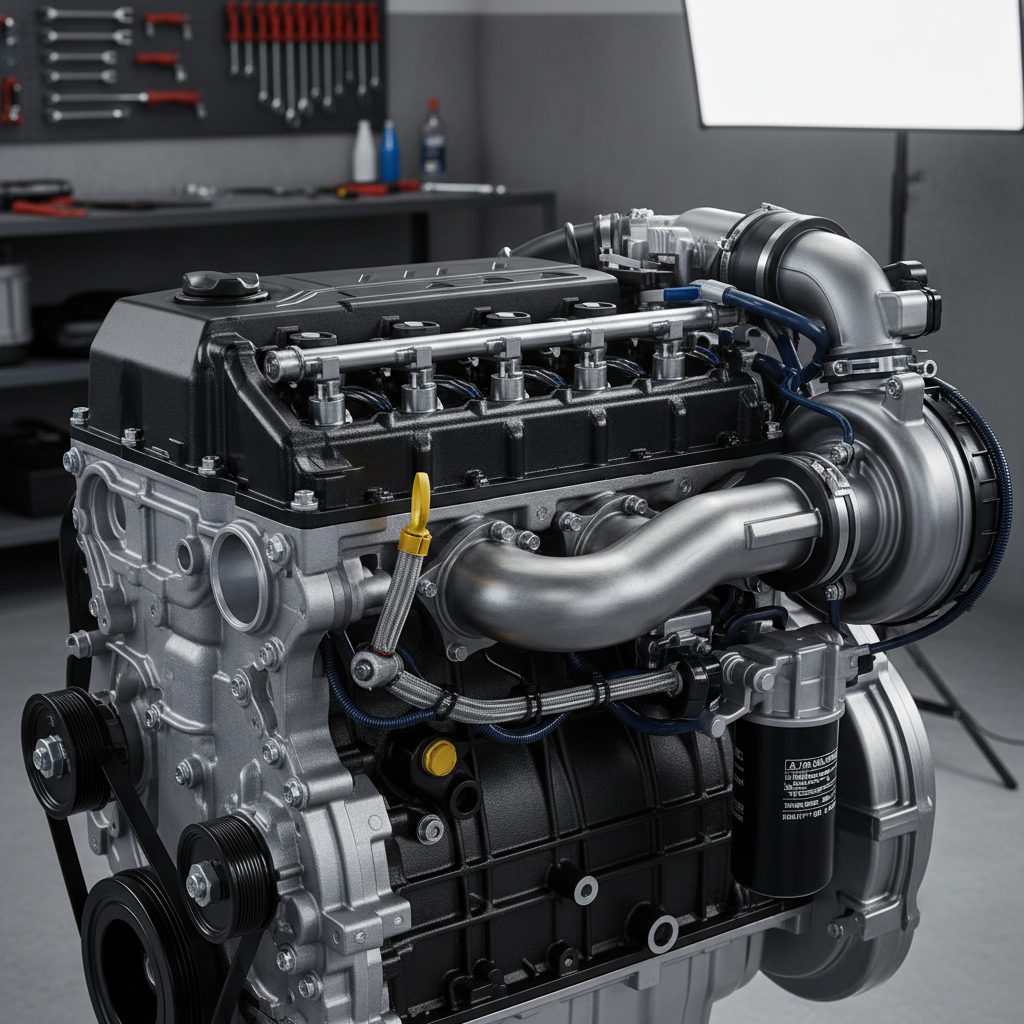 Illustration: Statistics: Lithuania vs Europe
Share of diesel vehicles (new cars, 2023)
| Country | Diesel % | Petrol % | Electric/Hybrid % |
|---|---|---|---|
| Lithuania | ~45% | ~35% | ~20% |
| Germany | 18% | 35% | 47% |
| France | 15% | 38% | 47% |
| Norway | 5% | 8% | 87% |
| EU average | 16% | 36% | 48% |
Lithuania buys 3× more diesel cars than the EU average!
Used car market
The contrast is even more striking:
- 70-75% of imported used cars are diesel
- Autoplius.lt: diesel searches 2× more than petrol
5 reasons why Lithuanians love diesel cars
1. "Diesel is economical" – and that's true (partly)
Traditional argument:
Petrol: 8 l/100 km × 1.50 €/l = 12 €/100 km
Diesel: 6 l/100 km × 1.45 €/l = 8.70 €/100 km
Savings: 3.30 €/100 km = 33%
But:
- Diesel is more expensive to buy (+1,500-3,000 €)
- Diesel servicing is more expensive
- Diesel repairs are more expensive (DPF, injectors)
When it REALLY pays off: >25,000 km/year, lots of motorway driving.
2. "Diesel has torque" – the magic of pulling power
Technical reality:
- Diesel has more torque at lower revolutions
- "Pulls from below" – no need to rev the engine
Psychological reality:
- Lithuanians like "powerful" cars
- Torque = feeling that the car "pulls"
- A 2.0 TDI 150 PS "feels" more powerful than a 1.5 TSI 150 PS
3. Historical legacy – 1990s and 2000s diesels
Why we started to love them:
- In the 90s, diesel was MUCH cheaper than petrol
- Old diesels (without DPF, without turbos) were VERY reliable
- Mercedes, Audi, BMW diesels became symbols of "eternal" cars
Legends:
- Mercedes W124 300D – "runs 500,000 km"
- VW 1.9 TDI – "indestructible"
- Toyota Land Cruiser 4.2 TD – "never dies"
Reality in 2025: These engines had no DPF, no AdBlue, no complex electronics. Modern diesels are a completely different story.
4. "Towing and practicality" – Lithuanian reality
Argument:
- Many people tow trailers
- Building materials
- Gardens, countryside, firewood
Truth: Diesel is better for towing (torque).
But: What percentage of Lithuanians ACTUALLY tow trailers regularly? 5-10%?
5. "Everyone buys it, so it must be good" – herd mentality
Social pressure:
- "My friend has one, says it's good"
- "A real man drives diesel"
- "Petrol is for women" (absurd stereotype)
In Facebook groups:
- "What should I buy?" → "TDI!" (regardless of needs)
- "2.0 TDI never fails"
- "Petrol burns gas in the city"
Get a Personal Offer
We'll call you back within 24 hours.
Why diesel love is decreasing (slowly)
1. DPF – diesel's Achilles heel
What it is: Soot filter, mandatory from 2009 (Euro 5).
Problem:
- DPF needs regeneration (long drives)
- In city mode – gets clogged
- Replacement: 1,000-3,000 €
Result: For city dwellers, diesel = headache.
2. Environmental zones across Europe
Reality:
- Paris, Berlin, Brussels – ban old diesels
- 2030+ – more cities will follow
- Trips with diesel to Europe – increasingly difficult
3. Hybrids became competitive
Toyota RAV4 Hybrid:
- 5 l/100 km in the city (diesel – 7-8 l)
- No DPF
- More reliable
- Similar price to diesel version
Result: Hybrid does everything diesel does, without its problems.
4. Electric vehicles (slowly, but surely)
2025 reality:
- Used Tesla Model 3: 25,000-35,000 €
- Used VW ID.3: 20,000-28,000 €
- Charging infrastructure is growing
Younger generation: Less attached to diesel.
Objective analysis: who still needs diesel
✅ Diesel works for:
| Situation | Why |
|---|---|
| 30,000+ km/year | Economics kick in |
| 70%+ motorway | DPF regenerates normally |
| Towing | Torque |
| Large SUV/minibus | More economical than large petrol |
| Commercial vehicles | TCO matters more |
❌ Diesel doesn't work for:
| Situation | Why |
|---|---|
| <15,000 km/year | Economics don't add up |
| 80%+ city | DPF problems |
| Short trips (<10 km) | Engine doesn't warm up enough |
| New driver | More nuances |
| Limited service budget | Diesel repairs are expensive |
What will the future bring?
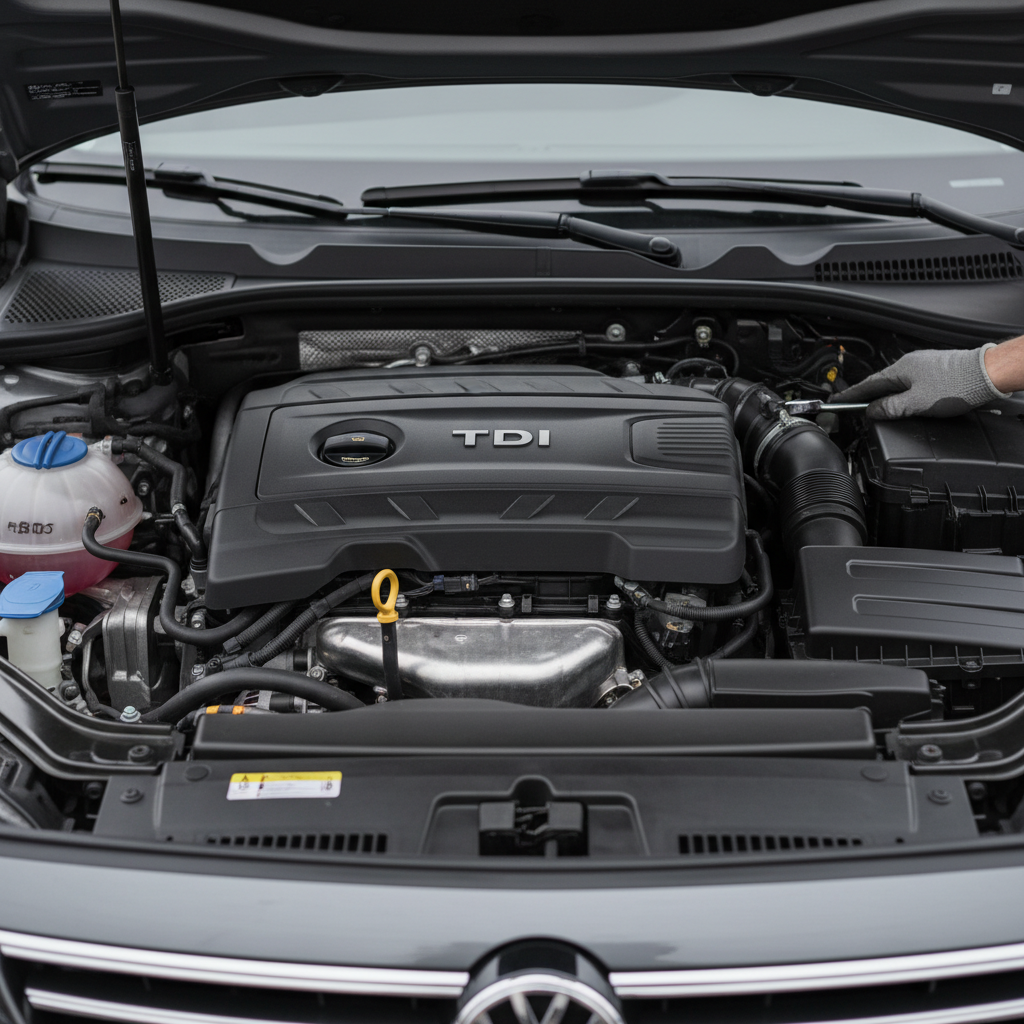 Illustration: What will the future bring?
Short-term forecast (2025-2030)
- Lithuania will continue to buy diesel (more than EU average)
- Share of hybrids will grow
- Electric vehicles – slowly, but steadily
Long-term forecast (2030+)
- New diesel production decreases
- Supply of used diesel from Western Europe shrinks (environmental zones)
- Transition to hybrids/electric is inevitable
What should you do now?
If you're thinking about diesel:
Ask yourself:
- How many km/year do I drive?
- What's my city/motorway ratio?
- Am I planning to keep it for >5 years?
- Do I have a budget for potential DPF repairs?
If 3+ answers are "yes" → diesel might work for you.
Alternatives:
| Need | Alternative to diesel |
|---|---|
| Economy | Toyota Hybrid |
| Power | 2.0 turbo petrol |
| Towing | Hybrid with towing capacity |
| Long journeys | PHEV or hybrid |
Cultural shift
What's missing in Lithuania?
- Information: Many people don't know about DPF problems
- Hybrid selection: Official dealers offer little choice
- Infrastructure: Limited options for electric vehicles
- Mindset change: "Diesel = real car" is deeply ingrained
Positive signs:
- Younger generation is more open-minded
- Toyota hybrids are becoming popular
- Tesla is becoming "normal"
- More articles about alternatives
Conclusion
 Our expert recommendation
Do Lithuanians love diesel rationally? Both yes and no.
- YES: If you drive a lot on motorways, diesel is still economical
- NO: If you drive 15,000 km/year in the city, diesel is a bad choice
Reality: Many Lithuanians buy diesel out of tradition, not calculation.
2025 recommendation: Before buying diesel – do the math. You might be surprised that a hybrid or even petrol is cheaper.
Not sure whether to choose diesel, petrol, or hybrid? Contact WheelStreet – we'll help you calculate what's best for your situation.
You might also find useful:
- 🚗 Used cars WHEELSTREET – diesel options with warranty
- 🏆 Diesel or petrol 2025? – complete comparison
- 🔍 WheelStreet car selection – experts will advise
- 💰 Leasing calculator – calculate your payment
- 📚 DPF filter — glossary
- 📚 Fuel types — glossary
Buy from Lithuania
Looking to buy a quality used car from Lithuania? WHEELSTREET offers professional car sourcing with full inspection, history check and cross-border delivery across Europe. Browse verified inventory at WHEELSTREET Used Cars or request a custom car search at Car Sourcing Service.
WHEELSTREET ☎ +370 660 09716 | wheelstreet.lt