Quick answer
Lease return cars are dramatically cheaper than new vehicles and come with full service history and low mileage (typically 60,000-120,000 km). The most popular lease returns in Lithuania are Toyota Corolla Hybrid (from €16,000), VW Golf VIII (from €14,000), and Skoda Octavia IV (from €13,000).
In 2025, over 199,000 passenger cars were registered for the first time in Lithuania, and the leasing market grew by a quarter in the first six months alone. More and more people are discovering what financial experts have known for a while: lease return cars are one of the smartest ways to buy a quality vehicle for significantly less money than a new car from a dealership.
Why? Because a lease return car is practically a new vehicle that has already experienced the biggest value drop during its first 2–4 years, yet remains in excellent condition with a complete service history and often with a valid manufacturer's warranty still in place.
In this guide, you'll find everything you need to know before buying a lease return car in 2026: from prices and the most popular models to specific tips on how to inspect the vehicle and where to find it. Whether you're an experienced car buyer or purchasing your first vehicle, this article will help you make an informed decision.
What are lease return cars?
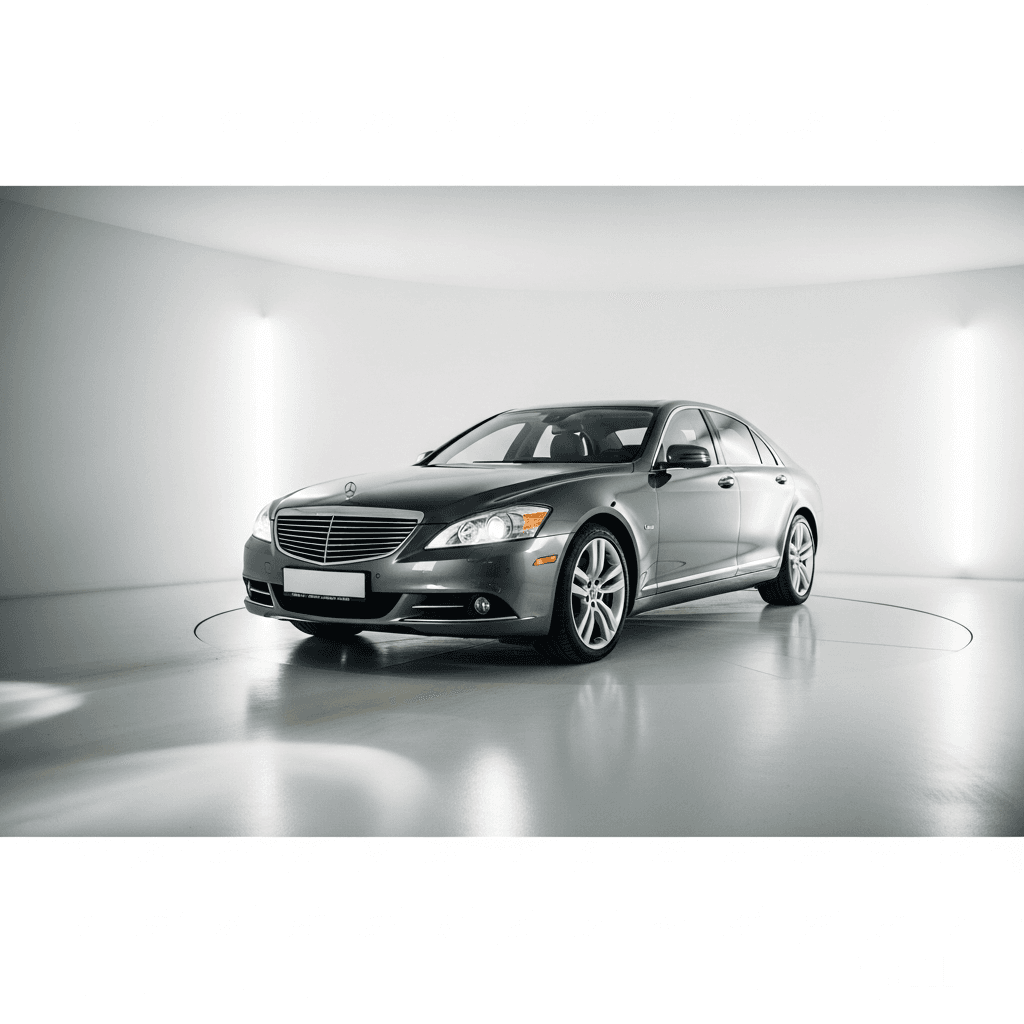
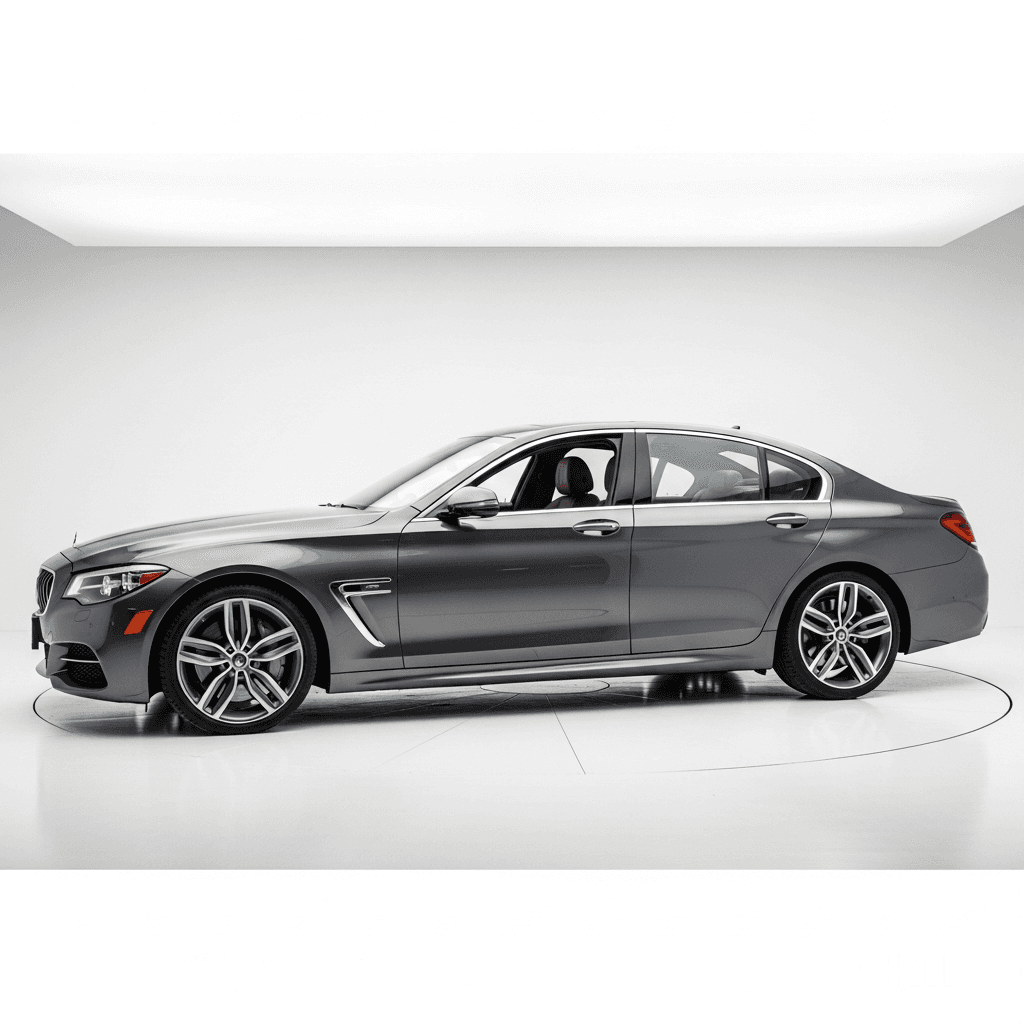
 Illustration: Lease return cars – how they appear on the market
Lease return cars (also called lease cars or post-lease vehicles) are vehicles that were acquired through a leasing (financial or operating lease) agreement and, upon the contract's expiration, were returned to the leasing company or bank. Leasing companies sell these vehicles because their primary business is financing, not holding vehicles.
How do lease return cars differ from regular used cars?
The fundamental difference between a lease return car and a regular used car is transparency and maintenance quality. A regular used car could have any history: an unclear owner, unknown maintenance level, potentially rolled back mileage, or hidden accident marks.
A lease return car is a completely different story:
- Known first owner – a lease agreement means the vehicle was used by a registered person or company whose details are known to the leasing company.
- Mandatory regular maintenance – lease agreements typically require vehicles to be serviced according to manufacturer recommendations at authorized service centers.
- Mileage control – most lease agreements specify annual mileage limits (typically 15,000–25,000 km per year), so lease return cars usually have lower mileage than similarly-aged vehicles from the open market.
- Clear legal history – the vehicle was owned by the leasing company, so there's no risk of hidden mortgages, seizures, or legal disputes.
Why do leasing companies sell them?
The answer is simple – it's part of their business model. Leasing companies (SEB, Swedbank, Citadele, Luminor, General Financing and others) earn from financing services – interest and fees. When a lease agreement expires, the vehicle is returned, and the leasing company sells it to recover the residual value and fund new contracts.
This means leasing companies are motivated to sell quickly and transparently – hiding a vehicle's history damages their reputation and business. Instead, they often invest in vehicle preparation for sale: conducting technical inspections, checking all systems, and providing complete service history.
Why are lease return cars so popular?
Illustration: Growing demand for lease return cars in Lithuania
The popularity of lease return cars in Lithuania is constantly growing, and there are several important reasons for this.
Growing leasing market = more lease return cars
In the first half of 2025, Swedbank alone issued lease agreements for passenger cars worth over €173 million – 33% more than in the same period the previous year. The new car leasing market in Lithuania grew by a quarter in the first half of 2025. Swedbank customers' new car lease agreements increased by 39%.
What does this mean for the average buyer? That each year more vehicles go through a leasing cycle and return to the market as lease return cars. The more vehicles leased today, the more quality lease return cars will be available to purchase in the next 2–4 years.
The price gap between new and used cars is widening
The average new car price in Lithuania in 2025 reached approximately €37,000 – a historic record. Meanwhile, the average used car price hovered around €9,000. Lease return cars, positioned between these two segments, offer an optimal price-to-quality ratio: newer and in better condition than the average used car, but significantly cheaper than a new one.
Buyers are becoming smarter
More and more people understand that a new car loses 30–50% of its value in the first three years. When buying a lease return car, the first owner (lease recipient) bears this value loss, while you get a practically new vehicle at a significantly lower price.
According to a 15min.lt publication, even one in five lease return car buyers in 2024 purchased the car without seeing it in person – such is the confidence in the quality of these vehicles and the transparency of leasing companies.
Second-pillar pension fund withdrawals
From mid-2025, Lithuanian residents gained the ability to withdraw accumulated second-pillar pension funds. In Estonia, which implemented a similar reform in 2021, used car prices jumped 20–25% in a year. While the impact in Lithuania was more modest, the additional flow of funds increased demand on the market, particularly in the quality lease return car segment, where buyers seek the best value proposition.
Advantages of a lease return car
Let's examine in detail why lease return cars are such a smart choice.
1. Full and known service history
This is perhaps the biggest advantage of a lease return car. Lease agreements typically require that vehicles be maintained according to manufacturer recommendations at authorized service centers. This means:
- Regular oil changes on exact schedule
- Timing belt or chain replacement on time
- Genuine or equivalent spare parts
- Documented history of every service visit
When you buy a lease return car, you can request a complete service history and ensure the vehicle was properly maintained. This is very difficult to obtain when buying from a private seller, where the service booklet may be lost, forged, or simply non-existent.
2. Young age – typically 2–4 years old
Most lease agreements last 3–5 years. This means lease return cars are typically 2–4 years old – significantly newer than the average imported used car in Lithuania, which in 2025 averaged 10.3 years old.
A young car means:
- Modern safety systems (autonomous emergency braking, lane keeping assist, blind spot monitoring)
- Newer infotainment systems (Apple CarPlay, Android Auto)
- Less wear and lower failure probability
- Complies with the latest emission standards
3. Controlled mileage
Lease agreements often set mileage limits – typically 15,000–25,000 km per year. This means a 3-year lease return car typically has 45,000–75,000 km of mileage, while a 4-year-old car has 60,000–100,000 km. Compare that to the average 10-year imported used car from Germany, which might have 200,000 km or more.
Lower mileage means:
- Less engine and transmission wear
- Better suspension and chassis condition
- Lower upcoming repair costs
- Longer remaining service life
4. You save 30–50% compared to a new car
This is a mathematical fact that makes lease return cars so attractive. Let's look at concrete examples:
| Vehicle | New Price | Lease Return Price (3 years, ~60,000 km) | Savings |
|---|---|---|---|
| Toyota RAV4 Hybrid | €37,600 | €22,000–26,000 | ~35–42% |
| Skoda Octavia | €25,000 | €14,000–18,000 | ~28–44% |
| VW Tiguan | €33,000 | €20,000–24,000 | ~27–39% |
| BMW 320d | €42,000 | €24,000–29,000 | ~31–43% |
| Volvo XC60 | €48,000 | €27,000–33,000 | ~31–44% |
On average, a lease return car costs 35–40% less than a new car of the same model and similar specification. This can mean €10,000–20,000 in savings – money you can invest, keep in emergency funds, or simply enjoy life with.
5. Manufacturer's warranty often still applies
Many manufacturers provide 3–5 year warranties (or up to certain mileage, for example 100,000–150,000 km). If a lease return car is 2–3 years old, there's a real chance that the manufacturer's warranty still applies. This means:
- Major defects will be repaired for free
- Additional protection from unexpected expenses
- Warranty may be transferable to a new owner (be sure to check specific terms)
For example, Toyota offers a 3 year / 100,000 km manufacturer's warranty (or up to 10 years / 160,000 km with Toyota Relax programme), Kia – 7 years / 150,000 km, and Hyundai – 5 years / unlimited mileage. When buying a 2–3 year old lease return car from these brands, a significant portion of the warranty will still be valid.
6. Clear legal history
A lease return car was owned by the leasing company throughout the entire lease period. This means:
- No hidden owners or unclear transfers
- No mortgages or seizures (the leasing company controls this)
- Clear origin – known where the vehicle was used
- Lower fraud risk
7. Professional preparation for sale
Before selling lease return cars, leasing companies and their partners typically perform:
- Thorough technical inspection
- Removal of minor cosmetic defects
- Interior cleaning and polishing work
- Assessment of tire and brake condition
- Preparation of all documentation
This means a lease return car often looks and performs almost like new, while costing significantly less.
Are there drawbacks? Let's be honest
Like any purchase, it's important to know not just the advantages but also possible limitations. However, as you'll see, most of them are easily manageable.
Limited selection
The range of lease return cars depends on which models were popular in leasing 2–4 years ago. This means you'll find plenty of Toyota, Volkswagen, Skoda, BMW and Volvo, but rarer brands or very specific configurations may require waiting.
Solution: If you're looking for a specific model, sign up for alerts with several sellers or contact a car broker who will monitor the market for you.
Less room for negotiation
Leasing companies often set prices based on market data and the vehicle's residual value, so there may be less negotiating room than when buying from a private seller.
Solution: Even if there's less room for price negotiation, the overall price is still significantly less than a new car. Plus, you can negotiate for additional services – free technical inspection, tire set, or extended warranty.
Possible more intensive use
Some lease return cars were used for business purposes, which could mean more intensive use: more short city trips, more frequent starts/stops.
Solution: This is exactly why it's important to check service history and conduct a professional inspection before purchasing. A regularly maintained vehicle, even if used more intensively, will be better than a neglected low-mileage car.
What you need to know before buying a lease return car?
Illustration: Lease return car inspection steps
Although lease return cars are typically in better condition than average used cars, a smart buyer always conducts a thorough inspection. Here are the main steps:
1. VIN check – the vehicle's history DNA
A VIN (Vehicle Identification Number) check is the first and most important step when buying any used vehicle, including lease return cars. VIN check reveals:
- Mileage history – whether mileage wasn't rolled back
- Accident history – whether the vehicle wasn't seriously damaged
- Theft and seizure history – whether there are legal problems
- Vehicle inspection history – whether it was regularly checked
- True country of origin – whether the vehicle is really from where claimed
While the risk is lower for lease return cars, a VIN check provides additional peace of mind and confirms what the seller states. Learn more about VIN checks in our comprehensive VIN check guide.
2. Service history verification
Request a complete service history and check:
- Whether all services were completed on time – according to manufacturer schedule
- Whether genuine parts were used – or equivalent quality
- Whether there were any major repairs – to engine, transmission, electronics
- Whether the service booklet matches VIN check data – this confirms documents are genuine
Tip: If the service booklet is electronic (many newer cars have this), request access to the manufacturer's database – this is the most reliable way to verify history.
3. Tire and brake condition
This is quickly checked but very informative:
Tires:
- Tread depth (minimum allowed – 1.6 mm, recommended – over 3 mm)
- Whether all four tires are the same brand and model
- Whether there's no uneven wear (could indicate suspension problems)
- Tire manufacture date (DOT code – shouldn't be older than 5 years)
Brakes:
- Brake disk condition (grooves, wear marks)
- Brake pad thickness
- Whether braking feels smooth without vibration or pulling to one side
4. Cosmetic condition – what's normal and what's not
A lease return car has been used, so some cosmetic wear is completely normal and expected:
Normal (for a 2–4 year old car):
- Small gravel marks on the hood front
- Minor scratches on alloy wheels (especially if aluminum)
- Minimal seat wear indicators
- Small surface scratches on the bodywork
Should raise questions:
- Different colored bodywork sections (could indicate repainting after accident)
- Large areas of rust or corrosion
- Heavily worn seats or steering wheel (could indicate higher than claimed mileage)
- Unclear signs of moisture inside or in the trunk
5. Test drive – what to listen for?
A test drive is mandatory, even if the vehicle looks perfect:
- Engine: Does it start smoothly? Are there any unusual noises?
- Transmission: Does the gearbox shift smoothly (especially automatic)?
- Suspension: Are there any creaks or squeaks?
- Brakes: Do they stop effectively and evenly?
- Electronics: Do all buttons, screens, climate control work?
- Steering: Does the car go straight when you release the wheel?
6. Warranty transfer – an important detail
Not all manufacturer warranties are automatically transferred to the new owner. Before purchasing, check:
- Whether the manufacturer's warranty still applies (date and mileage)
- Whether the warranty is transferable without additional conditions
- Whether a warranty transfer procedure is needed at an official dealer
- What additional warranties the seller offers (many lease return car sellers offer their own warranty)
7. Price comparison – is it really a good price?
Before buying, compare the price with:
| Source | What to Check |
|---|---|
| Autoplius.lt | Similar models / years / mileage |
| Autogidas.lt | Listings from private sellers and dealers |
| Polizinginiai.lt | Other leasing companies' prices |
| Mobile.de | Prices in Germany (adding transport and registration costs) |
| Official dealers | New car prices (base and with equipment) |
Tip: Use WHEELSTREET leasing calculator to calculate what a lease return car will cost with financing and compare with a new car.
Get a Personal Offer
We'll call you back within 24 hours.
Where to buy lease return cars in Lithuania?
Illustration: Lease return car sales channels in Lithuania
In Lithuania, there are several main channels where you can find lease return cars. Each has its own advantages.
1. Leasing companies directly
This is the most direct route – you buy the car directly from the leasing company that owned it.
Main leasing companies in Lithuania:
| Leasing Company | Characteristics |
|---|---|
| SEB Leasing | One of the largest leasing portfolios in Lithuania, wide selection |
| Swedbank Leasing | €173+ million in contracts in 2025, largest growth |
| Citadele Leasing | More flexible terms, fast service |
| General Financing | Polizinginiai.lt platform, specialized lease return sales platform |
| Mogo (Eleving Group) | Active in the Baltic region |
Advantages: Clearest history, often lower prices (avoids middleman markups), ability to finance at the same company.
Disadvantages: Can't always physically inspect the car before purchase (some companies arrange delivery), more limited post-purchase service.
2. Official dealers
Many official car dealers in Lithuania have "used cars" or "certified used cars" programs that also sell lease return cars.
Major dealers with used car programs:
- Multibrand dealerships with certified pre-owned programmes
- Toyota / Lexus / BMW oficialūs atstovai
- Volkswagen / Audi / Škoda / Seat oficialūs atstovai
- Volvo oficialūs atstovai
- Multibrand naudotų automobilių salonai
Advantages: Professional service, often seller warranty provided, ability to inspect and test drive, pre-sale preparation.
Disadvantages: Slightly higher price than buying directly from leasing company (dealer margin).
3. Car brokers
Car brokers are specialists who search, inspect, and help you buy a car on your behalf. This is especially useful for those who don't have time or experience to search themselves.
Brokers can:
- Monitor the market and inform you when a suitable lease return car appears
- Check the vehicle's history and technical condition
- Negotiate the price on your behalf
- Arrange delivery and document handling
If you're looking for a reliable lease return car and want professional help, WHEELSTREET car sourcing service can help find the best option according to your budget and needs.
4. Online platforms
Lease return cars can also be found on popular classifieds platforms:
- Polizinginiai.lt – platform specializing specifically in lease return cars
- Autoplius.lt – Lithuania's largest car classifieds platform
- Autogidas.lt – the second largest platform
- GarantiniaiAutomobiliai.lt – used cars with warranty
Tip: On online platforms, look for listings marked "lease return" or "from leasing company". Also pay attention to the seller type – if it's a registered company (leasing company or dealer), the likelihood that the car is truly a lease return vehicle is higher.
Most popular lease return cars in Lithuania
Based on 2024–2025 Lithuania market data, here are the most commonly found lease return cars and their estimated prices:
SUV / Crossover segment
| Model | Year | Typical Mileage | Lease Return Price | New Price | Savings |
|---|---|---|---|---|---|
| Toyota RAV4 Hybrid | 2022–2023 | 50,000–80,000 km | €22,000–27,000 | €37,600 | ~30–42% |
| VW Tiguan | 2022–2023 | 60,000–90,000 km | €20,000–25,000 | €33,000 | ~24–39% |
| Skoda Kodiaq | 2021–2023 | 60,000–100,000 km | €19,000–25,000 | €34,000 | ~26–44% |
| Volvo XC60 | 2021–2023 | 60,000–90,000 km | €27,000–34,000 | €48,000 | ~29–44% |
| Hyundai Tucson | 2022–2023 | 50,000–80,000 km | €18,000–23,000 | €30,000 | ~23–40% |
| Kia Sportage | 2022–2023 | 50,000–80,000 km | €17,000–22,000 | €29,000 | ~24–41% |
Sedans and estate cars
| Model | Year | Typical Mileage | Lease Return Price | New Price | Savings |
|---|---|---|---|---|---|
| Skoda Octavia | 2022–2023 | 60,000–100,000 km | €14,000–19,000 | €25,000 | ~24–44% |
| VW Passat | 2021–2023 | 70,000–120,000 km | €17,000–23,000 | €35,000 | ~34–51% |
| Toyota Corolla | 2022–2023 | 40,000–70,000 km | €16,000–20,000 | €27,000 | ~26–41% |
| BMW 3 Series (G20) | 2021–2023 | 60,000–100,000 km | €24,000–30,000 | €42,000 | ~29–43% |
| Volvo V60 | 2021–2023 | 60,000–90,000 km | €23,000–29,000 | €40,000 | ~28–43% |
| Skoda Superb | 2021–2023 | 70,000–110,000 km | €16,000–22,000 | €32,000 | ~31–50% |
Premium segment
| Model | Year | Typical Mileage | Lease Return Price | New Price | Savings |
|---|---|---|---|---|---|
| BMW 5 Series (G30) | 2021–2023 | 70,000–110,000 km | €28,000–36,000 | €52,000 | ~31–46% |
| Mercedes-Benz C Class | 2021–2023 | 60,000–100,000 km | €27,000–34,000 | €45,000 | ~24–40% |
| Audi A4 | 2021–2023 | 60,000–100,000 km | €22,000–28,000 | €38,000 | ~26–42% |
| Volvo XC90 | 2021–2022 | 70,000–100,000 km | €33,000–42,000 | €62,000 | ~32–47% |
Popular trend in 2025–2026: Toyota RAV4, Volkswagen Tiguan and Skoda Octavia – these are the three most commonly found lease return cars in Lithuania. Toyota leads due to exceptional reliability and value retention (RAV4 loses only 20–25% of its value over 5 years), while Skoda Octavia dominates the "value for money" category.
Important: Prices are estimates and can vary depending on specific configuration, condition, mileage and market conditions. Always compare several offers before making a decision.
Financing options: how to buy a lease return car?
Illustration: Ways to finance a lease return car
To buy a lease return car, you can choose several financing methods. Let's examine each one.
1. Leasing (financial lease)
Leasing is the most popular financing method in Lithuania. Even a lease return car can be purchased through leasing – meaning you use leasing for the second cycle of the vehicle's life.
Typical leasing conditions for used cars (2026):
- Interest rate: 3.5–5.5% annual rate
- Initial down payment: 10–20%
- Term: 12–72 months
- CASCO insurance: usually mandatory
Example: Lease Return Toyota RAV4 Hybrid (2022, 60,000 km)
| Parameter | Value |
|---|---|
| Car price | €24,000 |
| Initial down payment (15%) | €3,600 |
| Amount to finance | €20,400 |
| Term | 60 months |
| Annual interest rate | 4.2% |
| Monthly payment | ~€378 |
| Total amount paid | ~€26,280 |
| Overpayment | ~€2,280 |
Compare: for a new Toyota RAV4 (€37,600) with similar conditions, the monthly payment would be ~€593, with total overpayment of ~€3,580. Choosing the lease return car, you save ~€215 per month or ~€12,900 over the entire leasing period.
Want to calculate your scenario? Use WHEELSTREET leasing calculator – it lets you quickly compare different options.
2. Consumer loan
A consumer loan for a car is an alternative to leasing with its own advantages:
Advantages over leasing:
- Car becomes your property immediately
- CASCO insurance not mandatory (but recommended)
- More flexible usage terms (no mileage restrictions)
- You can sell the car anytime without breaching the contract
Disadvantages:
- Interest rates can be slightly higher (4–7%)
- Good credit history required
- Lower maximum financing amount
Compare all financing options with car loan calculator.
3. Cash purchase
If you have enough savings, paying cash has clear advantages:
When it's worth paying cash:
- You have savings that aren't earning significant returns (e.g., sitting in a current account)
- You don't want to pay interest and overpayment
- Car price doesn't exceed €10,000–15,000 (at lower price points, leasing overpayment would be small, but also opportunity cost is lower)
- You want peace of mind – no monthly payments and obligations
- Car price is high (over €20,000) – better to keep some cash in emergency fund
- You have the ability to invest spare funds with returns exceeding leasing rates
- You want to maintain financial flexibility
When financing is better:
- Car price is high (over €20,000) – better to keep some cash in emergency fund
- You have the ability to invest spare funds with returns exceeding leasing rates
- You want to maintain financial flexibility
Financing comparison table
| Criterion | Leasing | Loan | Cash |
|---|---|---|---|
| Ownership | After final payment | Immediately | Immediately |
| Initial down payment | 10–20% | 0–20% | 100% |
| Interest rates (2026) | 3.5–5.5% | 4–7% | 0% |
| CASCO mandatory? | Usually yes | No | No |
| Mileage restrictions? | Sometimes | No | No |
| Can you sell? | Need lessor approval | Yes | Yes |
| Total overpayment (€24,000, 5 years) | ~€2,200–3,300 | ~€2,600–4,400 | €0 |
Lease return vs new vs used: the big comparison
Here's a comprehensive comparison to help you decide:
| Criterion | New Car | Lease Return Car | Used Car (Market) |
|---|---|---|---|
| Price | Highest (from €25,000) | Middle (from €14,000) | Lowest (from €3,000) |
| Age | 0 years | 2–4 years | 5–15+ years |
| Mileage | 0 km | 40,000–100,000 km | 100,000–300,000+ km |
| Condition | Perfect | Very good / good | Varies |
| Service history | New booklet | Full, documented | Often unclear |
| Warranty | Full manufacturer | Often still applies | Rarely applies |
| Value drop in 3 years | -30–50% | -15–25% | -10–20% |
| Failure risk | Minimal | Low | Medium-high |
| Selection | Widest | Limited | Very wide |
| Negotiation room | Small | Medium | Large |
| Fraud risk | Minimal | Very low | Medium-high |
| Safety systems | Latest | Modern | May be outdated |
| Fuel efficiency | Highest | High | Varies |
| Overall rating | Luxury and peace of mind | The smartest choice | Cheapest option |
What car is right for each buyer?
New car is right if:
- Budget is unlimited and you want a specific configuration
- Absolute peace of mind and full warranty is important
- You plan to keep the car longer than 7 years
- You want the newest technology and safety systems
Lease return car is right if:
- You want an almost-new car for less money
- You value transparent history and good condition
- Budget is €14,000–35,000
- You're looking for the smartest price-to-quality ratio
- You don't want to suffer the biggest value drop of a new car
Used car from the market is right if:
- Budget is limited (up to €10,000)
- You have experience assessing cars or have a trusted mechanic
- You're buying a specifically known model from a trusted source
- You're not afraid of possible repairs and additional investments
Lease return cars with warranty – additional security
More and more lease return car sellers offer seller's warranty or third-party warranty. This is especially relevant if the manufacturer's warranty has already expired.
What warranties are available?
| Warranty Type | Duration | Coverage | Cost |
|---|---|---|---|
| Manufacturer's warranty (if still valid) | Until 3–7 years from purchase | Manufacturing defects, main components | Free (included) |
| Seller's warranty | 6–24 months | Engine, transmission, main electronics | Often included |
| Extended warranty | 12–36 months | Depends on package | €300–1,500 |
| CASCO insurance | 12 months (renewable) | Accidents, theft, natural hazards | 2–5% of car value/year |
Tip: If you're buying a lease return car where the manufacturer's warranty has expired, it's worth investing in seller's or extended warranty – it could save you thousands in case of unexpected failure.
Lease return electric and hybrid cars – a growing trend
In 2025, environmentally friendly vehicles made up almost 36% of Swedbank's entire passenger car leasing portfolio, and electric vehicle financing volumes grew 33%. This means the market will see an increasing number of lease return electric cars and hybrids in the coming years.
Most popular lease return electric and hybrid cars
| Model | Type | Lease Return Price | New Price | Features |
|---|---|---|---|---|
| Toyota RAV4 Hybrid | Hybrid | €22,000–27,000 | €37,600 | Most reliable hybrid on the market |
| Volvo XC60 T6 PHEV | Plug-in hybrid | €30,000–38,000 | €55,000 | Premium PHEV with 50+ km electric range |
| VW ID.4 | Electric | €22,000–28,000 | €40,000 | Most popular VW EV |
| Tesla Model 3 | Electric | €24,000–32,000 | €38,000 | Largest selection on market |
| Hyundai Ioniq 5 | Electric | €25,000–32,000 | €42,000 | One of the best EVs on market |
| Skoda Enyaq | Electric | €22,000–28,000 | €38,000 | Spacious family EV |
Important about lease return electric cars:
- Check battery condition (SOH – State of Health). Good indicator after 3 years – over 90%.
WHEELSTREET ☎ +370 610 33377 | wheelstreet.lt